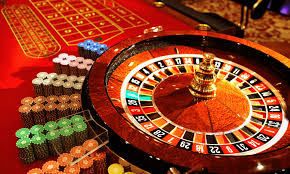
Slot machines are among the most popular forms of gambling entertainment in the world. From traditional mechanical devices in old casinos to advanced digital systems found in online platforms today, slot machines have evolved slot online . Their simplicity, excitement, and potential for reward have made them a central attraction in casinos globally.
Introduction to Slot Machines
A slot machine is a gambling device that generates random combinations of symbols when a player spins the reels. If the symbols align in a winning pattern, the player receives a payout based on the game’s rules.
Modern slots are no longer limited to physical machines. They now exist as online games, mobile applications, and even integrated systems in virtual casinos.
The History of Slot Machines
The journey of slot machines began in the late 19th century.
1. The First Mechanical Slot (1890s)
The earliest known slot machine was created by Charles Fey in San Francisco. It was called the Liberty Bell. It had three spinning reels and simple symbols like horseshoes, bells, and playing cards.
2. Electromechanical Era (1960s)
In the 1960s, slot machines evolved into electromechanical systems. This allowed for more complex gameplay, multiple paylines, and bigger payouts.
3. Video Slots (1970s–1990s)
The introduction of video screens replaced physical reels. This innovation opened the door for advanced graphics, bonus rounds, and themed games.
4. Online Slots (2000s–Present)
With the rise of the internet, slot machines moved online. Players can now enjoy thousands of slot games from their computers or smartphones.
How Slot Machines Work
Modern slot machines operate using a system called a Random Number Generator (RNG).
Key Components:
- Reels: The vertical sections that spin.
- Symbols: Images on the reels that determine outcomes.
- Paylines: Winning patterns across reels.
- RNG System: Ensures every spin is random and independent.
Each spin is completely independent of the previous one, meaning there is no guaranteed pattern or predictable outcome.
Types of Slot Machines
1. Classic Slots
These are simple machines with 3 reels and fewer paylines. They resemble traditional arcade-style games.
2. Video Slots
These include 5 or more reels, advanced graphics, animations, and bonus features.
3. Progressive Jackpot Slots
These machines are linked across networks, and the jackpot increases with every bet placed until someone wins it.
4. 3D Slots
These offer immersive graphics and storytelling elements, making gameplay more engaging.
Popular Features in Modern Slots
Modern slot games include several exciting features:
- Wild Symbols: Replace other symbols to form winning combinations
- Scatter Symbols: Trigger bonus rounds or free spins
- Free Spins: Extra spins without additional cost
- Bonus Games: Mini-games within the slot for extra rewards
- Multipliers: Increase winnings by a set factor
The Psychology Behind Slot Machines
Slot machines are designed to be engaging and stimulating. They use:
- Bright visuals and sounds
- Near-miss effects
- Random rewards
These elements create excitement and encourage continued play, making slots one of the most addictive casino games.
Slot Machines in the Digital Age
Today, slot machines have become a major part of online gaming platforms. Developers use advanced technology such as:
- HTML5 for mobile compatibility
- 3D animation engines
- Artificial intelligence for personalized gaming
- Blockchain technology in some platforms for transparency
Online casinos now offer thousands of themed slots, including adventure, fantasy, mythology, and movie-based games.
Advantages and Disadvantages
Advantages:
- Easy to play with no complex rules
- Wide variety of themes and styles
- Instant results
- Available online anytime
Disadvantages:
- High risk of financial loss
- Addictive nature
- Purely luck-based outcomes
Conclusion
Slot machines have transformed from simple mechanical devices into highly sophisticated digital entertainment systems. While they offer excitement and fun, they are based entirely on chance. Understanding how they work helps players make more informed decisions and enjoy them responsibly.