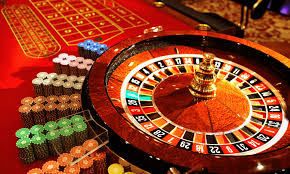
Introduction
Betting is the act of placing money or something of value on the outcome of an event with the hope of winning a reward. It has been a part of human culture for centuries and has evolved wwb9 with the growth of technology. Today, betting is available through traditional bookmakers, casinos, and online platforms that allow users to place wagers from anywhere in the world.
While betting can provide entertainment and excitement, it also involves financial risks that participants should understand before engaging in any form of gambling activity.
What Is Betting?
Betting involves predicting the outcome of an event and staking money on that prediction. If the prediction is correct, the bettor receives winnings based on predetermined odds. If the prediction is incorrect, the stake is lost.
Betting markets exist for a wide range of events, including:
- Sports competitions
- Horse racing
- Casino games
- Political events
- Entertainment awards
- Esports tournaments
- Virtual sports
The amount won depends on the odds assigned to the selected outcome and the amount of money wagered.
How Betting Odds Work
Odds represent the probability of an event occurring and determine potential payouts.
Decimal Odds
Decimal odds are commonly used in many countries.
Example:
- Odds: 2.50
- Stake: $100
Potential Return:
$100 × 2.50 = $250
Profit:
$250 − $100 = $150
Fractional Odds
Often used in horse racing.
Example:
- Odds: 5/1
A bettor wins $5 for every $1 wagered.
American Odds
Popular in the United States.
Examples:
- +200 means a $100 bet could win $200.
- -150 means a bettor must risk $150 to win $100.
Understanding odds is essential because they directly affect risk and reward.
Types of Betting
Sports Betting
Sports betting is one of the most popular forms of wagering. Bettors place wagers on sporting events such as football, basketball, cricket, tennis, and mixed martial arts.
Common sports bets include:
- Match winner
- Point spread
- Over/under totals
- Player performance bets
- Tournament winners
Casino Betting
Casino betting involves games of chance and skill.
Popular examples include:
- Blackjack
- Roulette
- Baccarat
- Poker
- Slot machines
Each game has unique rules and probabilities that influence winning chances.
Horse Racing Betting
Horse racing has a long betting tradition. Bettors can wager on a horse to:
- Win
- Place
- Show
- Finish in a specific combination
Professional handicappers often analyze race statistics before placing wagers.
Esports Betting
The rise of competitive gaming has created a massive esports betting market.
Popular esports titles include:
- Counter-Strike
- Dota 2
- League of Legends
- Valorant
Esports betting attracts younger audiences who follow competitive gaming events worldwide.
Advantages of Betting
Entertainment Value
Many people enjoy betting because it adds excitement to sporting events and competitions.
Potential Financial Rewards
Successful bettors can earn profits through accurate predictions and disciplined bankroll management.
Strategic Thinking
Certain forms of betting require research, analysis, and decision-making skills.
Community Engagement
Betting communities allow enthusiasts to discuss strategies, predictions, and event outcomes.
Risks Associated with Betting
Despite its popularity, betting carries significant risks.
Financial Losses
The most obvious risk is losing money. No betting strategy can guarantee consistent profits.
Addiction
Problem gambling can develop when betting becomes uncontrollable and negatively impacts personal, financial, or professional life.
Emotional Stress
Repeated losses may lead to frustration, anxiety, and poor decision-making.
Fraudulent Platforms
Unregulated betting websites may engage in unfair practices or fail to pay winnings.
Responsible Betting Practices
Responsible gambling is essential for maintaining betting as a form of entertainment rather than a financial strategy.
Set a Budget
Only wager money that you can afford to lose.
Avoid Chasing Losses
Trying to recover losses through larger bets often results in even greater losses.
Take Regular Breaks
Frequent breaks help maintain emotional control and rational decision-making.
Understand the Rules
Always learn the rules, odds, and payout structures before placing any wager.
Use Licensed Operators
Choose reputable and regulated betting platforms that follow legal standards and consumer protection policies.
Betting Strategies
Many bettors use strategies to improve decision-making.
Value Betting
Value betting involves identifying situations where the odds offered are higher than the actual probability of an event occurring.
Bankroll Management
Successful bettors often focus on protecting their bankroll by risking only a small percentage on each wager.
Research-Based Betting
Analyzing statistics, team performance, injuries, historical trends, and other factors can help bettors make more informed choices.
Discipline
Maintaining consistent staking plans and avoiding emotional decisions are critical aspects of long-term betting management.
The Impact of Technology on Betting
Technology has transformed the betting industry.
Key developments include:
- Mobile betting applications
- Live betting during events
- Real-time statistics
- Artificial intelligence tools
- Secure digital payment methods
- Data-driven analytics
These innovations have made betting more accessible and interactive than ever before.
Legal Considerations
Betting laws vary significantly between countries and regions. Some jurisdictions fully regulate betting activities, while others impose strict restrictions or prohibit certain forms of gambling altogether.
Before participating in betting activities, individuals should understand and comply with local laws and regulations.
Conclusion
Betting is a global activity that combines entertainment, prediction, and risk. Whether focused on sports, casino games, horse racing, or esports, betting requires an understanding of odds, probability, and responsible gambling principles. While some individuals view betting as a recreational pastime, it is important to recognize that losses are always possible and profits are never guaranteed. By practicing responsible betting, managing finances carefully, and understanding the associated risks, individuals can make more informed decisions about participating in wagering activities.