Betting is the act of risking money or something of value on an uncertain outcome, usually in the hope of making a profit. It is one of the oldest forms of entertainment and competition in human history, and today it exists in many forms such as sports betting, casino games, horse racing, and online wagering. While tempur78 can be exciting, it also carries serious financial and emotional risks. For that reason, it should always be approached with knowledge, discipline, and responsibility.
What Is Betting?
Betting means predicting the result of an event and placing money on that prediction. If the prediction is correct, the bettor wins according to the odds offered by the bookmaker or platform. If the prediction is wrong, the money staked is lost.
The core idea of betting is uncertainty. No matter how much research or experience a person has, there is always an element of chance involved. This is what makes betting both attractive and dangerous. The possibility of winning can be thrilling, but the possibility of loss is always present.
Common Types of Betting
There are several major forms of betting, each with its own style and level of risk.
1. Sports Betting
Sports betting is one of the most popular forms. People place wagers on events such as football, cricket, tennis, basketball, horse racing, and more. Bets may include predicting the winner, total score, number of goals, or specific player performance.
2. Casino Betting
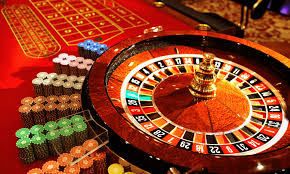
Casino betting includes games such as roulette, blackjack, baccarat, poker, and slot machines. In many of these games, the house has an advantage, which means the odds are designed to favor the casino over time.
3. Horse Racing Betting
Horse racing has a long history of betting. Bettors place wagers on which horse will win, place, or show. This type of betting often requires knowledge of the horses, jockeys, track conditions, and past performance.
4. Online Betting
With the growth of digital platforms, online betting has become extremely common. People can bet using websites and mobile apps from almost anywhere. This convenience has made betting more accessible, but it has also increased the risk of impulsive and excessive wagering.
How Betting Odds Work
Odds are a way of showing the potential return on a bet. They also reflect the bookmaker’s view of how likely an event is to happen.
For example, if a team has low odds, it is considered more likely to win. If the odds are high, the outcome is seen as less likely, but the payout may be larger.
There are different formats of odds, such as decimal, fractional, and moneyline. Regardless of the format, the main purpose is the same: to show both the risk and the possible reward.
Understanding odds is essential because many people place bets without fully knowing what the numbers mean. This often leads to poor decisions and avoidable losses.
Why People Bet
People bet for many reasons:
- Entertainment and excitement
- The hope of making money
- Social interaction with friends or communities
- Interest in sports or competitions
- The thrill of risk-taking
For some people, betting is simply a casual pastime. For others, it can become a habit or even an addiction. The difference usually depends on discipline, mindset, and financial control.
The Risks of Betting
Betting is not a reliable way to earn income. In fact, most bettors lose money over time because the system is designed with a built-in house edge or bookmaker margin. Some of the major risks include:
Financial Loss
The most obvious risk is losing money. A bettor may start with a small stake but gradually begin wagering larger amounts in an attempt to recover losses. This often leads to deeper financial trouble.
Emotional Stress
Betting can create frustration, anxiety, and disappointment, especially after a losing streak. Some people become emotionally attached to their bets, which can affect their mood and judgment.
Addiction
Problem gambling is a serious issue. A person may feel unable to stop betting even when it is causing harm to their life, work, or family.
False Confidence
Winning a few times can make someone believe they have mastered betting. This false confidence often leads to bigger losses later, because luck is mistaken for skill.
Responsible Betting
If a person chooses to bet, it is important to do so responsibly. Responsible betting means treating it as entertainment rather than a source of guaranteed profit.
Here are some important principles:
Set a Budget
Only use money that you can afford to lose. Never use rent money, savings, or borrowed funds for betting.
Set Time Limits
Do not allow betting to consume too much time. It should not interfere with work, study, family, or health.
Avoid Chasing Losses
One of the biggest mistakes is trying to win back lost money immediately. This often leads to even larger losses.
Stay Emotionally Controlled
Never bet while angry, stressed, or desperate. Emotional decisions usually lead to poor judgment.
Know When to Stop
A responsible bettor knows when to walk away, whether winning or losing. Self-control is more valuable than impulse.
Betting and Skill
Some forms of betting involve a degree of skill, especially in areas like poker or sports analysis. Research, statistics, and discipline can improve decision-making. However, skill does not remove risk. Even skilled bettors can lose because outcomes are never fully predictable.
This is why betting should never be viewed as a secure investment. It is speculation, not financial planning.
Legal and Ethical Considerations
Betting laws vary from country to country. In some places it is heavily regulated, while in others it may be restricted or illegal. Anyone interested in betting should understand the laws of their location before participating.
Ethically, betting should also be handled with honesty and fairness. It should never involve fraud, underage participation, or exploitation of vulnerable people.
The Psychology of Betting
Betting affects the mind in powerful ways. Wins create excitement and confidence, while losses can trigger frustration and desperation. This cycle can make it difficult to remain rational.
Common psychological traps include:
- Believing a “winning streak” will continue forever
- Thinking a “sure bet” actually exists
- Overestimating personal prediction skills
- Letting emotions control decisions
A clear and disciplined mindset is one of the strongest defenses against gambling mistakes.
Conclusion
Betting is a form of entertainment that combines uncertainty, risk, and the hope of reward. It can be exciting in the short term, but it is never a guaranteed way to make money. Understanding odds, managing money carefully, and practicing self-control are essential for anyone who chooses to participate.