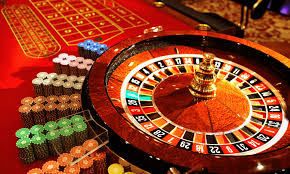
Slot machines are among the most recognizable and widely used forms of gambling entertainment in the world. Found in casinos, online platforms, and even mobile apps, they combine simplicity, chance, and engaging visual design to attract millions of players globally. Despite their simple appearance, slot machines are powered by complex klikhoki of mathematics, probability, and digital programming.
1. Introduction to Slot Machines
A slot machine is a gambling device that generates random combinations of symbols on a screen or set of reels. Players place a bet, spin the reels, and receive payouts if specific symbol patterns align according to predefined rules.
Modern slots may appear as digital video games, but their core principle remains unchanged: outcomes are based on randomness rather than skill.
2. The History of Slot Machines
Early Mechanical Era (Late 1800s)
The first true slot machine was created in the late 19th century by Charles Fey, a mechanic from San Francisco. His invention, known as the Liberty Bell, featured three spinning reels and simple symbols like horseshoes, stars, and bells.
This machine laid the foundation for modern slots by introducing:
- Automatic payouts
- Simplified gameplay
- Random reel combinations
Electromechanical Era (1960s–1980s)
As technology advanced, mechanical systems were replaced with electrical components. This allowed:
- Flashing lights and sound effects
- More complex payout structures
- Multiple paylines
Digital Revolution (1990s–Present)
The introduction of video slots and online casinos transformed the industry. Instead of physical reels, outcomes are generated by software called a Random Number Generator (RNG). This made slots more flexible and visually dynamic.
3. How Slot Machines Work
At the core of every modern slot machine is a system designed to ensure randomness and fairness.
Random Number Generator (RNG)
The RNG continuously generates numbers even when the machine is not being played. When a player presses “spin,” the current number determines the outcome.
This ensures:
- No predictable patterns
- Independent results for every spin
- Equal probability over time
Reels and Paylines
- Reels: Vertical sections that spin and display symbols
- Paylines: Predefined lines where matching symbols must land for a win
Modern slots can have:
- 3 to 6 reels
- 1 to hundreds of paylines
4. Types of Slot Machines
1. Classic Slots
These resemble the original machines with 3 reels and simple symbols like fruits, bars, and sevens.
2. Video Slots
These use digital screens and often include:
- Story themes (adventure, mythology, movies)
- Bonus rounds
- Interactive features
3. Progressive Slots
These machines are linked across multiple casinos or platforms. A small portion of each bet contributes to a growing jackpot, sometimes reaching massive amounts.
5. Features and Bonus Systems
Modern slot games often include additional features to increase engagement:
- Wild symbols: Replace other symbols to create winning combinations
- Scatter symbols: Trigger bonus rounds or free spins
- Free spins: Spins that cost no additional money
- Mini-games: Interactive bonus levels within the slot
These features enhance entertainment but do not change the underlying randomness.
6. Mathematics Behind Slots
Slot machines are designed using probability theory. Each symbol has a weighted chance of appearing.
A key concept is the Return to Player (RTP) percentage:
- RTP represents the theoretical amount a game returns over time
- Example: An RTP of 95% means the machine returns $95 for every $100 wagered on average (long-term statistical model, not individual results)
Another important factor is house edge, which ensures the casino maintains profitability over time.
7. Online Slot Machines
With the rise of the internet, slot machines have become a major part of online gaming platforms.
Advantages include:
- Accessibility from anywhere
- Wide variety of themes
- Higher number of game variations
- Mobile compatibility
Online slots also rely on certified RNG systems to ensure fairness, regulated by gaming authorities in many jurisdictions.
8. Psychological Design Elements
Slot machines are carefully designed to maintain player engagement through:
- Bright visuals and animations
- Reward sounds even for small wins
- Near-miss outcomes (almost winning)
- Fast gameplay cycles
These elements stimulate excitement and anticipation, making slots highly engaging.
9. Risks and Responsible Play
While slot machines are entertaining, they are also a form of gambling and involve financial risk.
Important considerations include:
- Outcomes are purely random
- Long-term losses are statistically more likely than consistent winnings
- It can be easy to lose track of time and spending
Responsible gaming practices include setting limits, taking breaks, and understanding that gambling should be treated as entertainment rather than income.
10. Conclusion
Slot machines have evolved from simple mechanical devices into complex digital entertainment systems powered by advanced algorithms and creative design. Their enduring popularity comes from their simplicity, excitement, and variety.
However, behind the flashing lights and engaging animations lies a system built on probability and chance. Understanding how slots work helps players make informed decisions and approach them with realistic expectations.